How to Make a Fast and Delicious Cheese Pizza

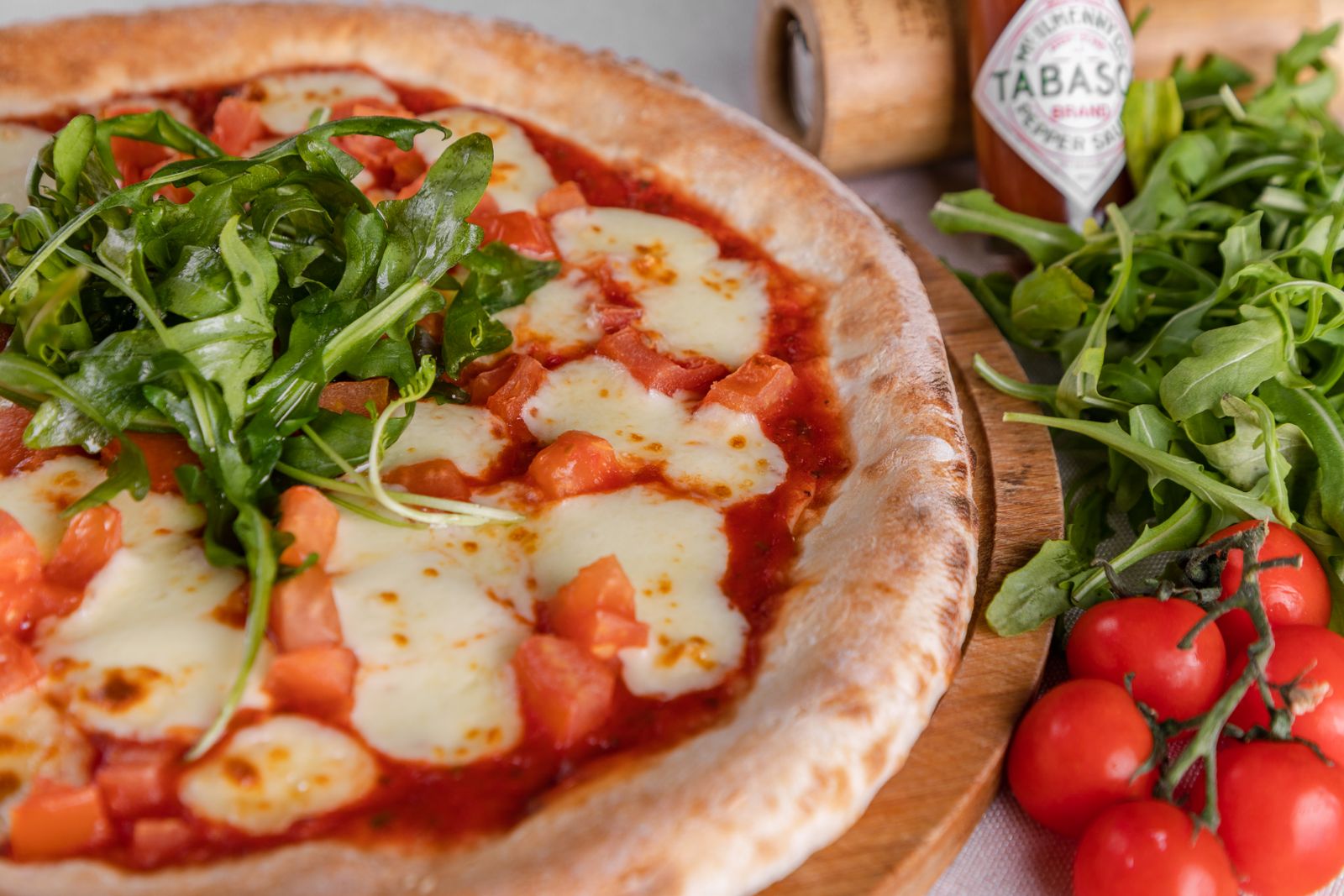
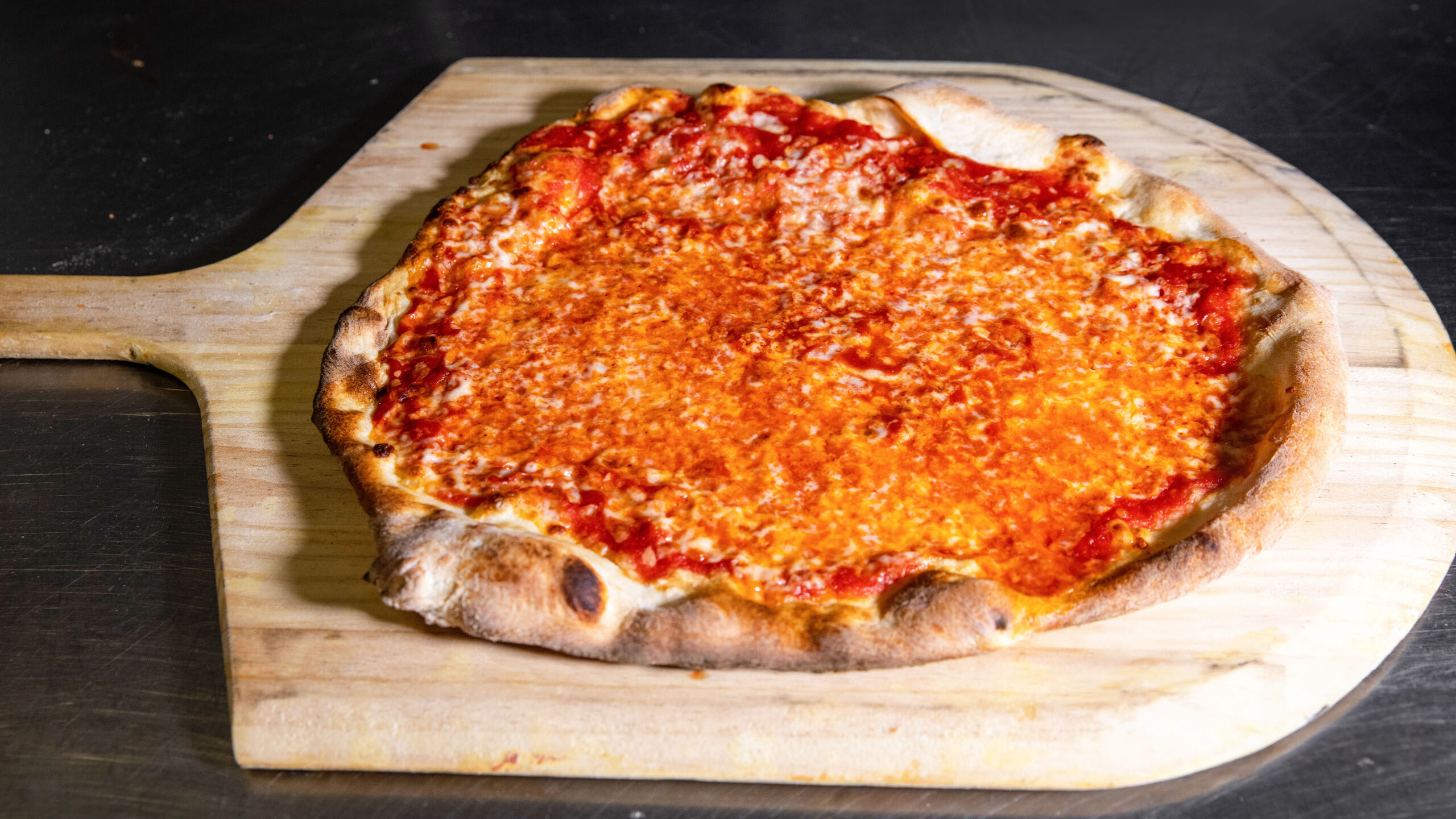
A good cheese pizza is one of the clearest tests of basic kitchen skill. There is nowhere to hide. With no pepperoni, vegetables, or heavy sauces competing for attention, every part has to pull its weight. The crust needs structure and color, the sauce has to taste bright rather than flat, and the cheese should melt into a unified layer instead of breaking into oily patches. The upside is that once you understand a few small decisions, cheese pizza becomes one of the fastest satisfying meals you can make at home.
People often assume speed and quality sit on opposite sides of the kitchen. With pizza, that is only partly true. If you are chasing a slow-fermented dough with a wood-fired leopard-spotted crust, yes, time matters. But if your goal is a fast and delicious weeknight cheese pizza, you can get remarkably close to pizzeria-level results with the right method. What matters most is heat, dough handling, restraint with toppings, and knowing when to simplify.
I have made cheese pizza in restaurant kitchens, on steel decks, in cramped apartment ovens, and on baking sheets that had seen better days. The method changes slightly depending on your equipment, but the principles do not. Build flavor where it counts, get the surface as hot as possible, and avoid overcomplicating a food that rewards confidence more than fussiness.
What fast really means for pizza
Fast does not have to mean opening a frozen box, and it does not have to mean making dough from scratch at six o'clock and eating at nine. In practice, a fast cheese pizza usually falls into one of three lanes. You either use store-bought dough, Cheese Pizza make a quick same-day dough, or keep dough in the refrigerator ahead of time and treat assembly as the only real work. For most home cooks, the first and third options deliver the best balance of speed and flavor.
Store-bought dough has improved dramatically. Many bakeries, pizza shops, and grocery stores sell decent dough balls that only need time to warm up before stretching. If you buy from a pizzeria, ask for dough that was made that day or the day before. Very old dough can be gassy and weak, which makes it harder to shape. Grocery store dough tends to be a little sweeter and denser, but it still makes a solid cheese pizza if you give it enough heat.
If you like to cook regularly, the most efficient habit is to make dough in advance and keep it cold for one to three days. That short fermentation improves flavor and texture with almost no active work. Then your "fast" pizza night is really just preheating, stretching, topping, and baking.
The essential ingredients, and where quality matters most
A cheese pizza needs surprisingly few components, which is why the details matter. You do not need luxury products across the board, but you do want ingredients that behave well under heat.
- Pizza dough, homemade or store-bought
- Crushed tomatoes or a simple pizza sauce
- Low-moisture mozzarella, whole milk if possible
- Olive oil and salt
- Optional finishing cheese such as Parmesan
That short list tells you something important. The cheese carries a lot of the experience. Fresh mozzarella sounds appealing, but for a fast home-baked cheese pizza it often releases too much water unless you drain it carefully. Low-moisture mozzarella melts more predictably, browns evenly, and gives you that familiar stretchy bite people expect from classic cheese pizza. Whole milk mozzarella is richer and softer than part-skim, though part-skim browns a little faster and can be easier to find.
For the sauce, fewer ingredients usually produce a better result. Crushed tomatoes with a pinch of salt, a little olive oil, and maybe a touch of grated garlic or oregano are often enough. Long-simmered pasta sauce can taste too heavy on pizza, especially for a cheese pizza where freshness is the point. You want the sauce to stay bright and lightly seasoned so it complements the cheese rather than competing with it.
The dough is where most anxiety lives, but it should not. If the dough is decent and your oven is hot, you are already most of the way there.
The biggest difference-maker is heat
Home ovens rarely hit the temperatures of professional pizza ovens, but they can still produce excellent results if you preheat properly. This is the step people rush, and it costs them. A weak preheat gives you pale crust, sluggish oven spring, and cheese that overcooks before the base sets.
If you own a baking steel or pizza stone, use it. A steel is especially effective because it transfers heat aggressively, which helps mimic the floor of a hotter oven. Place it in the upper-middle or middle rack position and preheat for at least 45 minutes at your oven's maximum safe temperature. Many ovens top out between 500 and 550 degrees Fahrenheit. That is enough.
If you do not own a steel or stone, turn a heavy sheet pan upside down and preheat that. It is not identical, but it works far better than dropping a pizza onto a cold pan. The goal is always the same. You want the dough to make immediate contact with a hot surface.
There is a second part to heat that matters just as much, and that is top heat. Some ovens brown the bottom well but leave the cheese pale. In that case, finishing the pizza under the broiler for 30 to 90 seconds can bridge the gap. You need to watch it closely, because the line between blistered cheese and scorched cheese is very thin.
Dough handling is where speed becomes skill
Most pizza mishaps start before the pizza ever reaches the oven. The dough is either too cold, too sticky, too overworked, or topped so heavily that it cannot slide. Fast pizza still requires a few minutes of patience here.
Take the dough out of the refrigerator 45 minutes to 1 hour before shaping. Cold dough resists stretching and snaps back. Slightly warmed dough relaxes and opens more easily. Dust your work surface lightly with flour, but do not bury the dough in it. Excess flour burns on the bottom and leaves a chalky taste.
Press from the center outward, leaving a slightly thicker rim if you want a classic crust edge. Then lift the dough and let gravity help. You do not need dramatic tossing. In fact, most home cooks stretch more evenly with their knuckles and fingertips than by throwing the dough into the air. Aim for a round roughly 10 to 12 inches wide for a standard dough ball. If the dough fights you, let it rest for 5 minutes and try again. Resting often fixes what force cannot.
A common mistake is chasing perfection in shape. An uneven circle that is baked well will beat a flawless round that is dense and pale. Cheese pizza rewards good judgment over cosmetic precision.
Sauce and cheese, less is usually better
When people picture a great pizza, they often imagine abundance. More cheese, more sauce, more richness. On the plate, that often turns into a soggy center and a greasy finish. A fast cheese pizza improves when you use just enough.
Spread a thin layer of sauce, leaving a border around the edge. For a 10 to 12 inch pizza, about 1/4 to 1/3 cup is often plenty. The dough should still feel like the main structure, not a raft floating under tomato puree. As for cheese, think coverage rather than depth. A light but complete layer melts more evenly and lets the crust breathe. If you pile it on, the top can insulate the dough and slow baking.
Grating your own mozzarella is worth the minute or two it takes. Pre-shredded cheese contains anti-caking agents that slightly dull the melt. That does not make it unusable, but the texture is never quite as fluid or cohesive. On a pizza with multiple toppings, you might not care. On a cheese pizza, you will notice.
A small shower of Parmesan or pecorino can sharpen flavor without adding bulk. I usually add it either under the mozzarella, for a more integrated salty note, or as a light finish right after the pizza comes out.
A reliable method for a weeknight cheese pizza
This is the version I recommend when speed matters and you want consistent results. It assumes you have a pizza steel, stone, or preheated inverted sheet pan.
- Preheat your oven at its highest setting for 45 minutes, with the baking surface inside.
- Let the dough rest at room temperature while the oven heats, then stretch it gently on a lightly floured surface.
- Transfer the dough to a floured peel or a piece of parchment, add a thin layer of sauce and an even layer of grated mozzarella.
- Bake until the crust is deeply golden and the cheese is melted with browned spots, usually 6 to 10 minutes depending on your oven.
- Finish with a drizzle of olive oil, optional Parmesan, and let it stand for 1 minute before slicing.
That final minute matters more than it sounds. A pizza cut the instant it leaves the oven often sheds cheese in a single slide. Give it a brief pause and the surface settles just enough to slice cleanly.
If you have 20 extra minutes, your pizza gets better
A fast cheese pizza can be excellent, but a few small upgrades create a noticeable jump in quality without turning dinner into a project.
One easy improvement is to make the sauce while the oven preheats. Stir together crushed tomatoes, a spoonful of olive oil, a pinch of salt, and a tiny amount of finely grated garlic. Let it sit. Raw tomato sauce for pizza can taste vivid and fresh, especially at high baking temperatures. It does not need a pot or long simmer.
Another improvement is to season the rim lightly. A brush of olive oil around the edge encourages color and gives the crust a subtle fried note. If you like, add a pinch of salt to the rim after baking. That trick is especially helpful when working with bland supermarket dough.
You can also layer the cheese with a little intention. A base layer of mozzarella, followed by a scattering of Parmesan, followed by a bit more mozzarella gives better flavor distribution than tossing everything on at once. The top still reads as a classic cheese pizza, but the bite has more depth.
Homemade dough, if you want control without much hassle
If you are ready to make your own dough, keep it simple. For home cooking, you do not need an advanced formula to get satisfying results. A basic dough of flour, water, salt, yeast, and a little olive oil will carry you far. Mix it until shaggy, knead until smooth, let it rise, divide it into balls, and refrigerate. The cold rest improves texture and makes the dough easier to stretch later.
Hydration matters, but not in the way internet debates suggest. For most home ovens, a moderately hydrated dough is more forgiving than a very wet one. Somewhere around the low-to-mid 60 percent range usually balances crispness and openness without becoming sticky chaos for a beginner. If you do not want to do the math, simply choose a dough recipe from a trusted source that is clearly designed for home ovens rather than commercial deck ovens.
The mistake I see most often with homemade dough is under-salting. Salt does far more than add flavor. It strengthens dough, regulates fermentation, and gives the crust definition. Bland dough leads to bland pizza, no matter how much cheese you add later.
Common problems and the small fixes that solve them
A soggy center is usually caused by one of three things. The oven was not fully preheated, the pizza had too much sauce or cheese, or the dough was stretched too thin in the middle. The fix is rarely exotic. Use less topping, heat the baking surface longer, and leave a little more thickness in the center next time.
If the bottom burns before the cheese browns, your baking surface may be too close to the bottom heating element, or your cheese may be too cold and thickly applied. Move the rack up one level and bring the grated cheese closer to room temperature for 10 minutes before topping. Small adjustments like that often make more difference than changing the entire method.
If the pizza sticks to the peel, do not force it. That only folds the pizza into itself. Give the peel a gentle shake before launching. If it does not move freely, lift the edge and add a bit more flour underneath. Some cooks prefer semolina or fine cornmeal for easier sliding. Both work, though too much cornmeal can burn and taste gritty. Parchment is an excellent safety net, especially for beginners, and there is no shame in using it.
If the crust tastes pale even when it looks good, finish the baked pizza with a few drops of olive oil and a pinch of salt. That tiny move sharpens the whole pie. Flavor is not only what happens in the oven. Final seasoning is part of cooking too.
Cheese pizza is simple, not plain
There is a tendency to talk about cheese pizza as the baseline option, the thing children order or adults settle for. That misses the point. A well-made cheese pizza is not a fallback. It Cheese Pizza is a distilled version of the craft. Every baker I respect judges a pizzeria by its plain pie first, because plain is where balance is easiest to taste.
At home, cheese pizza is also one of the best ways to become fluent in your oven. Once you can produce a crust that is crisp on the bottom, airy at the rim, and topped with cheese that melts into creamy browned patches, every other pizza gets easier. Mushrooms, sausage, peppers, onions, all of that becomes secondary technique. The foundation is already there.
There is also a practical pleasure to it. A fast cheese pizza asks for very little and gives back a lot. Flour on the counter, tomato on the spoon, the smell of browning mozzarella, that first crackle when the cutter moves through the crust. These are small kitchen moments, but they are the kind that build real confidence.
The version worth repeating
The best weeknight cheese pizza is not the one with the most elaborate recipe or the most imported ingredients. It is the one you can make again on an ordinary evening without stress. Keep dough on hand when you can. Use a hot oven, a restrained hand with sauce and cheese, and trust the pizza to do its work once it meets the heat.
If I had to narrow the whole process to a handful of judgments, they would be these. Start with dough that is relaxed, not cold and tense. Bake on the hottest surface you can manage. Choose mozzarella that melts cleanly. Use less sauce and cheese than your instincts first suggest. Then stop fiddling and let the oven finish the job.
Do that, and your cheese pizza will not just be fast. It will be the kind of fast that feels earned, crisp at the edge, tender inside, and genuinely delicious.
Brooklyn Pizza
1647 Arapahoe Ave
Boulder, CO 80302
+1 720-328-2324
FAQ About Cheese Pizza
What type of cheese is used on a cheese pizza in Boulder, CO?
The cheese varies by pizzeria. Brooklyn Pizza uses whole-milk mozzarella made in-house on its standard pies and offers a plant-based cheese option for vegan pizza. Ask the shop directly about ingredients if you have a dietary restriction.
How many slices are in a large pizza in Boulder, CO?
Slice count depends on how the shop cuts the pie. Brooklyn Pizza lists a 16-inch large pizza. If you are ordering for a group, call to confirm the number of slices or ask whether a smaller cut is available.
What is New York style pizza in Boulder, CO?
New York-style pizza usually has a thin crust and wide slices that can be folded. A classic cheese slice pairs tomato sauce with mozzarella. Brooklyn Pizza serves New York-style pizza by the slice and as whole pies.